Introduction
Choosing a tractor is not only a question of horsepower. It is a decision about workload, land size, soil conditions, operator comfort, attachment needs, service support, and the long-term direction of the farm. A tractor that fits one operation perfectly may feel oversized, underpowered, or inefficient on another. That is why farmers and landowners need to look beyond broad categories and think carefully about how each machine will be used across the full season.
Modern farms often ask one tractor to handle many responsibilities. The same machine may be expected to mow, haul, grade, lift, prepare soil, manage livestock areas, move feed, pull implements, and support harvest or cleanup work. Larger operations may need stronger field performance, while smaller farms may need flexibility and maneuverability. The right tractor should not merely meet today’s tasks. It should also support growth, changing land use, and future equipment needs.
Understanding the Difference Between Tractor Classes
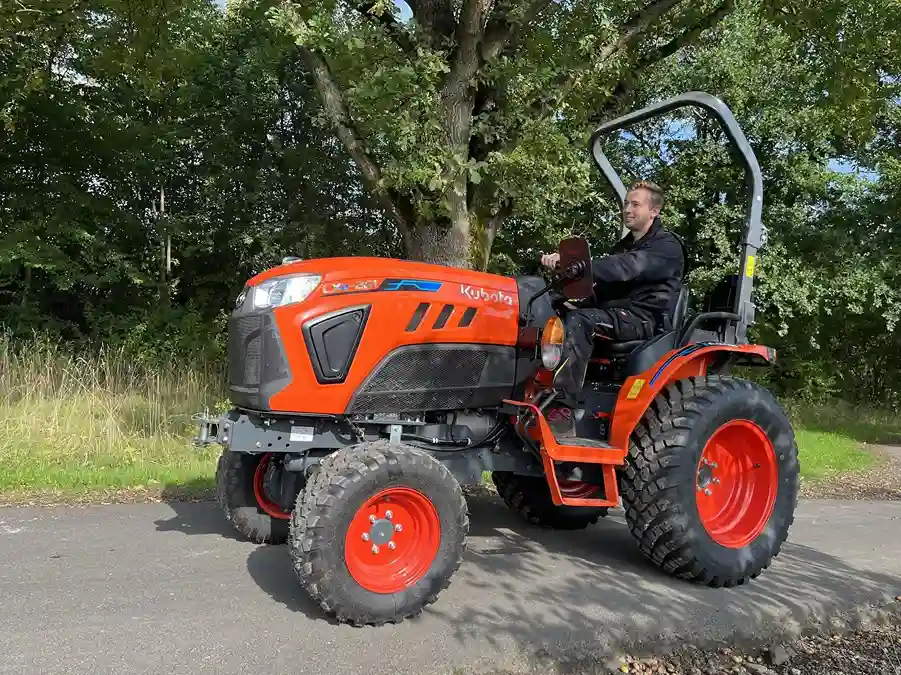
A compact tractor, utility tractor, and higher-horsepower agricultural tractor may all carry the same general name, but they serve different types of work. Compact and utility models can be excellent for acreage care, mowing, loader work, property maintenance, and smaller farm jobs. Larger machines are better suited for heavy fieldwork, demanding implements, bigger acreage, and operations where power and efficiency across long hours matter more than tight-space maneuverability.
For farmers comparing mid-size and higher-horsepower options, a practical Kubota buying guide can help clarify how different tractor series align with field demands, implement requirements, operator expectations, and long-term farm planning. The strongest decision begins with real workload, not showroom sparkle. A tractor should be selected because it fits the farm’s rhythm, not because its numbers look impressive on a brochure.
Start With the Workload Before Comparing Models
Before choosing a tractor, farmers should define the work it must perform most often. Will it pull hay equipment, handle loader work, maintain pastures, move bales, prepare fields, manage livestock areas, or support planting and transport? A tractor used mainly for mowing and hauling does not need the same specifications as one expected to handle larger implements or heavy-duty field operations.
Horsepower Must Match the Implements
Horsepower should be evaluated alongside implement size, PTO needs, hydraulic demands, traction, and field conditions. Too little power can slow work, strain the machine, and limit attachment choices. Too much machine can increase cost, fuel use, storage challenges, and compaction risk. The right balance lets the tractor work efficiently without being pushed to its limits every day.

Farmers should also consider whether their operation may expand. If acreage, livestock numbers, or implement size may increase over the next few years, buying a tractor that only fits today’s smallest workload may create future limitations. A practical decision leaves room for growth without overbuying beyond realistic needs.
Repair Access and Service Planning Matter
Equipment ownership does not end with purchase. Tractors need maintenance, parts, inspections, and occasional repairs. Farmers should think about service access, parts availability, dealer support, routine maintenance points, and how easily the machine can be kept in working condition. A tractor that is powerful but difficult to maintain can become frustrating during busy seasons.
This is a familiar issue across many practical industries. Discussions about why repair work can become difficult in demanding markets show how parts access, skilled labor, timing, and service complexity can affect the repair process. Farm equipment follows the same logic. A tractor should be chosen with maintenance reality in mind, not just purchase-day enthusiasm.
Operator Comfort Affects Productivity
A tractor may spend long hours in use, especially during planting, hay, harvest, pasture maintenance, or transport work. Comfort is not a decorative feature. It affects fatigue, safety, precision, and how consistently the operator can complete tasks. Seat quality, visibility, cab layout, controls, transmission feel, ride quality, lighting, and climate control can all influence productivity.
Visibility is especially important when using loaders, backing implements, working near buildings, operating around livestock, or managing tight work areas. A tractor should help the operator feel aware and in control. If the machine feels awkward, tiring, or difficult to operate, the farm may lose time through slower work and repeated corrections.
Rural Demand and Farm Lifestyle Influence Equipment Decisions
Farm equipment decisions are also shaped by broader rural trends. As more people invest in land, gardening, self-sufficiency, small farms, and rural living, the demand for practical equipment can shift. Some buyers need tractors for commercial agriculture, while others need them for acreage maintenance, hobby farming, livestock care, or property improvement.
This wider interest in rural living and farm supplies is reflected in reporting on gardening and rural community trends supporting farm supply demand. For tractor buyers, the point is clear: the best machine depends on the owner’s real use case. A weekend acreage owner and a full-time livestock farmer may both need a tractor, but they rarely need the same tractor.
Fuel Use, Weight, and Field Conditions
Tractor size affects more than power. It affects fuel consumption, soil compaction, transport, tire wear, storage, and maneuverability. A heavier tractor may provide stability and traction, especially for demanding implements, but it may not be ideal for soft ground or frequent work near finished areas. A lighter machine may be easier to maneuver, but it may lack the pull, lift, or stability required for heavier tasks.
Farmers should evaluate soil type, slope, field access, road travel, and seasonal ground conditions. Wet fields, clay soils, hills, and narrow lanes can all change how a tractor performs. Tire selection also matters. Agricultural, industrial, and turf tire options each serve different priorities, and the wrong tire can make a capable tractor feel less effective.
Brand Section: H&R Agri-Power
H&R Agri-Power supports farmers, landowners, and rural operators who need equipment decisions grounded in real working conditions. Tractor selection often involves more than comparing model names. Buyers must consider acreage, horsepower, implements, terrain, operator comfort, service access, maintenance expectations, and future farm growth.
That kind of guidance can help buyers avoid choosing too little tractor, too much tractor, or a machine that does not match the operation’s workload. A knowledgeable equipment source helps turn a tractor purchase into a practical plan for fieldwork, property maintenance, livestock support, and long-term productivity.
Conclusion
Choosing the right tractor requires more than comparing horsepower and price. Farmers should begin with the work they need to complete, then evaluate implement compatibility, land conditions, comfort, service support, fuel use, and long-term plans. A tractor should fit the operation’s daily rhythm while leaving enough capacity for growth and seasonal demands.
The best purchase is the one that works naturally with the land, the operator, and the farm’s future. When power, size, comfort, service, and attachment needs are aligned, a tractor becomes more than equipment. It becomes a dependable working partner that helps the farm move through each season with control, confidence, and fewer costly surprises.
Related Reading: How Cash Express Loan fits into short-term borrowing needs in the Philippines?
Related Reading: الصحة النفسية: أهمية زيارة دكتور نفسي لتحسين جودة الحياة
Related Reading: How Cash Express Loan fits into short-term borrowing needs in the Philippines?
Related Reading: How Cash Express Loan fits into short-term borrowing needs in the Philippines?
Related Reading: How Cash Express Loan fits into short-term borrowing needs in the Philippines?
Related Reading: How Cash Express Loan fits into short-term borrowing needs in the Philippines? — full guide